Jeff Parsons
Product / UX designer and researcher
Jeff Parsons
Product / UX designer and researcher


Designing a new digital sales channel, from concept to implementation—and beyond.
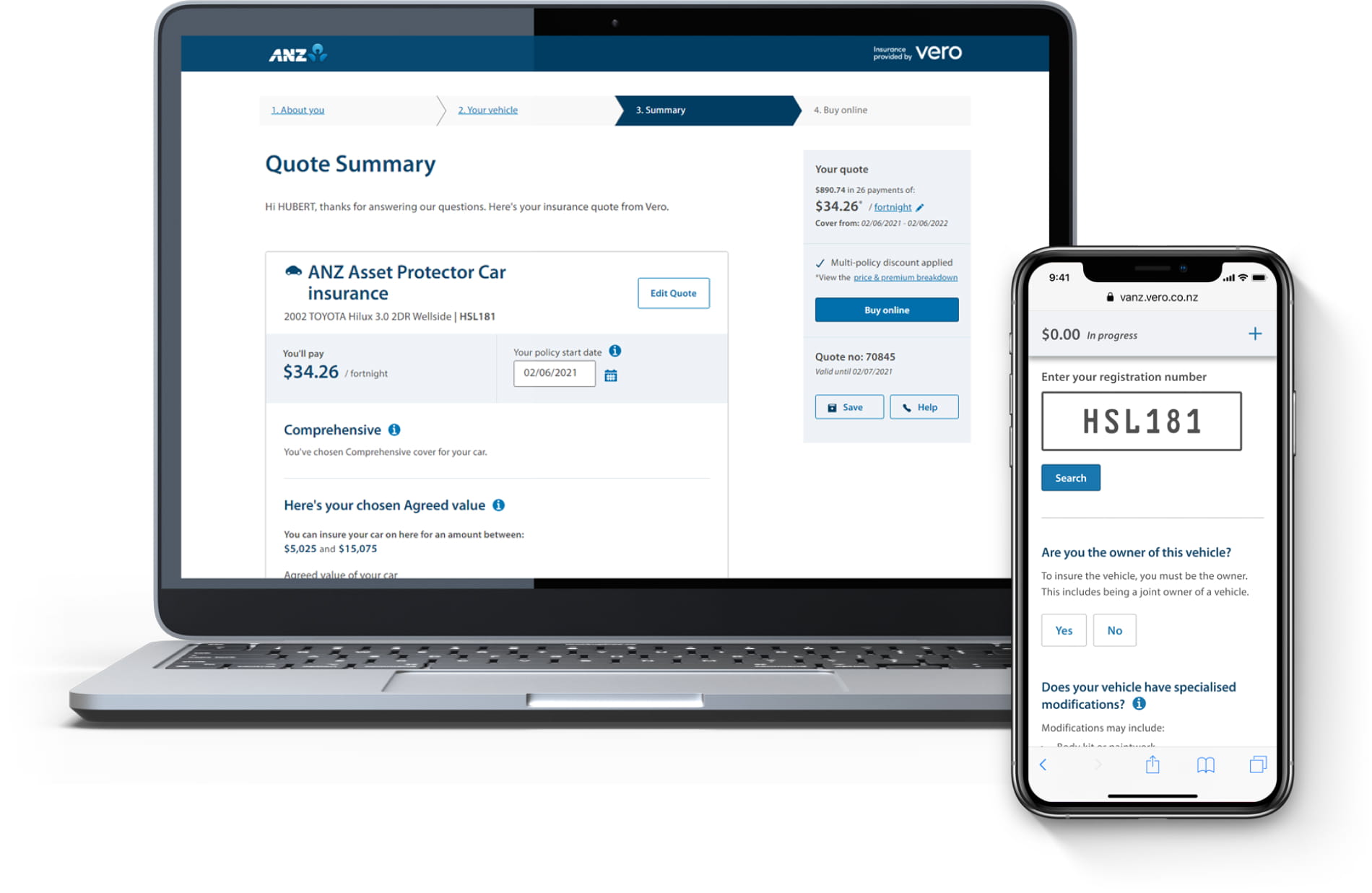
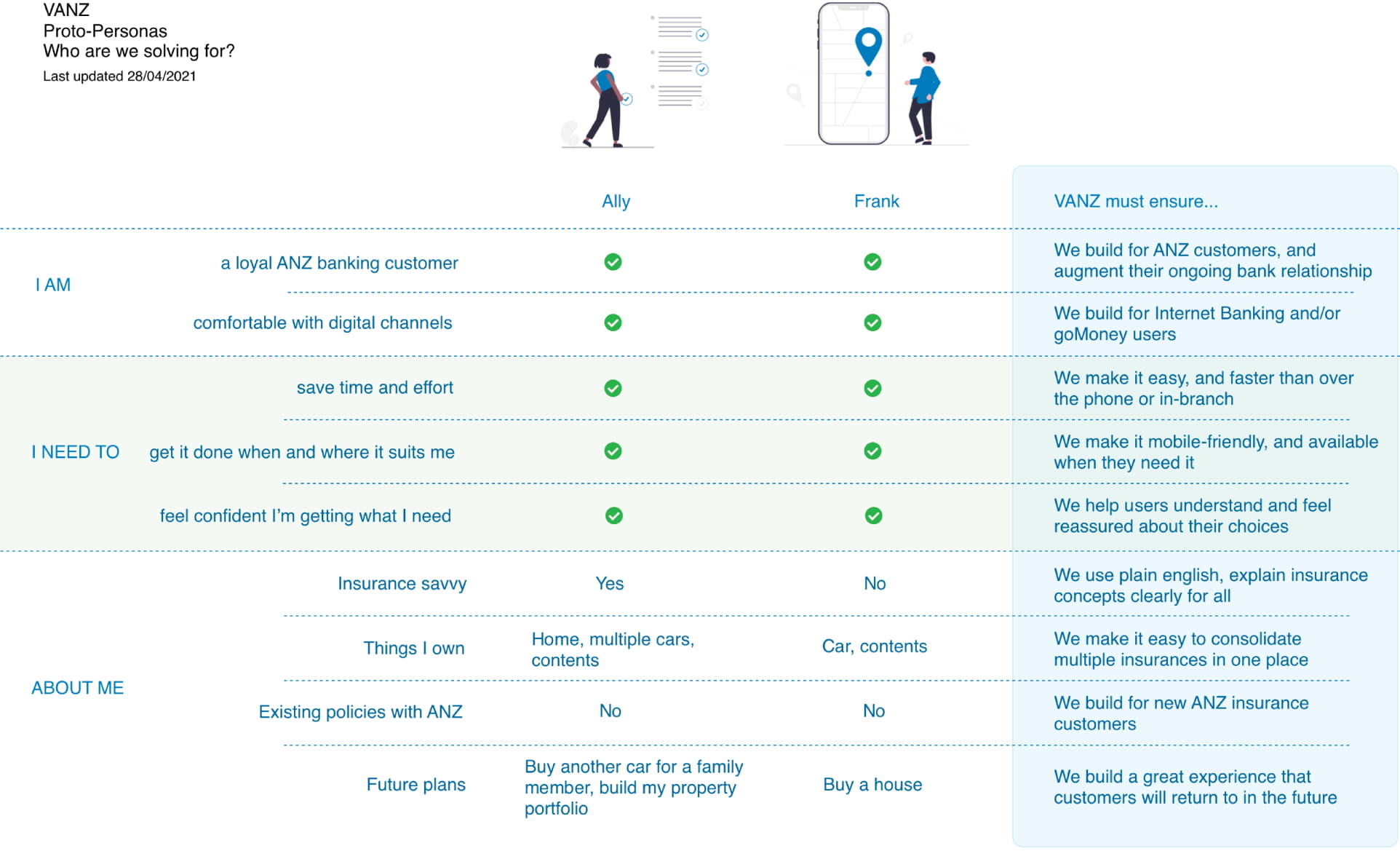
I was the UX Lead on the project, turning prior concept work into production-ready designs and leading a wide group of stakeholders through a human-centred design process.
The project discovery began with a base of customer research and concept design, in collaboration with an external agency. To reduce costs and enable a smooth transition into delivery, I successfully lobbied project management to bring the design work in-house.
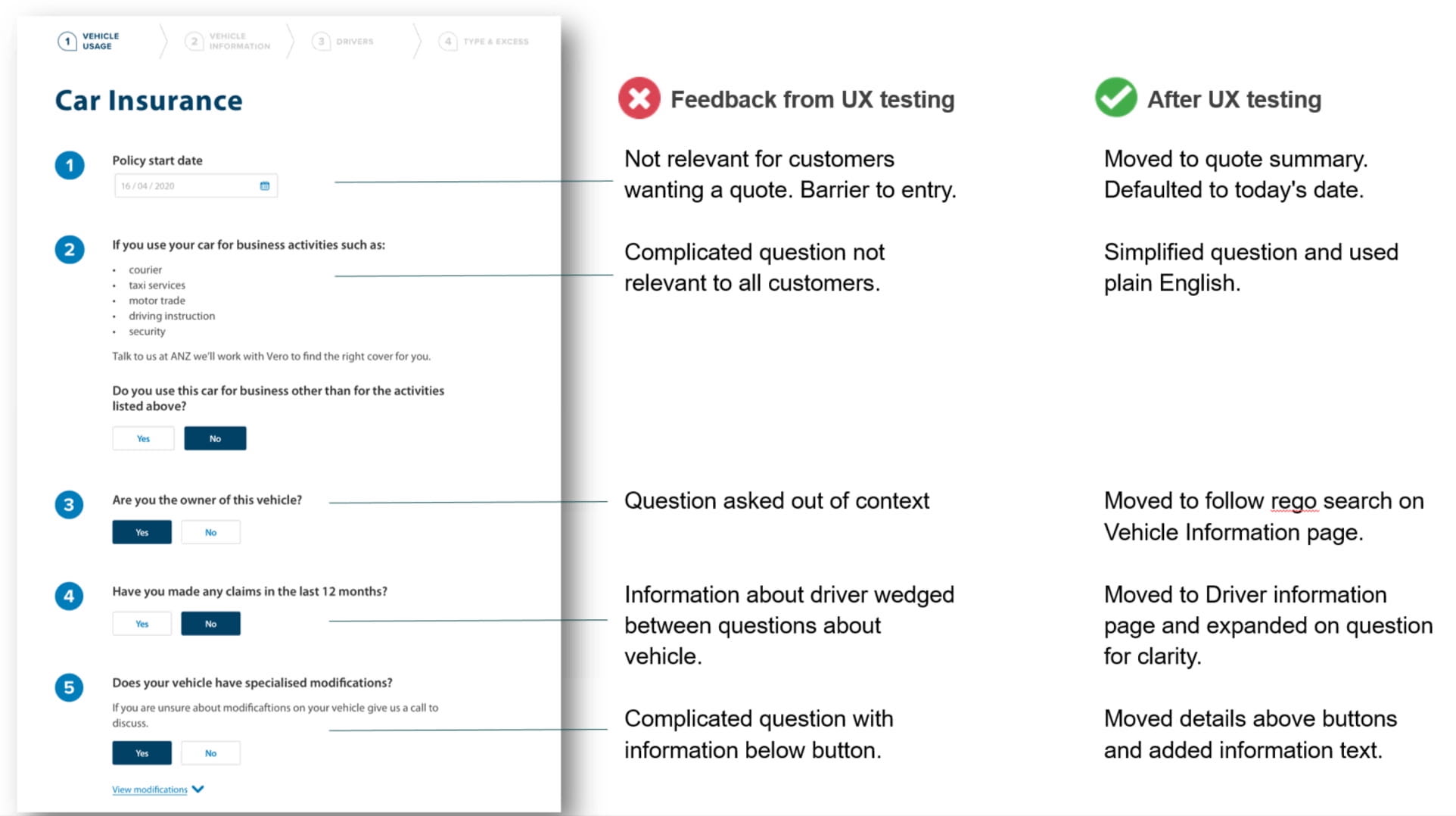
I took the high-level design concepts and led the team in redefining the user flows, content and copy, UI patterns and presentation—designing iteratively with many rounds of user testing throughout.
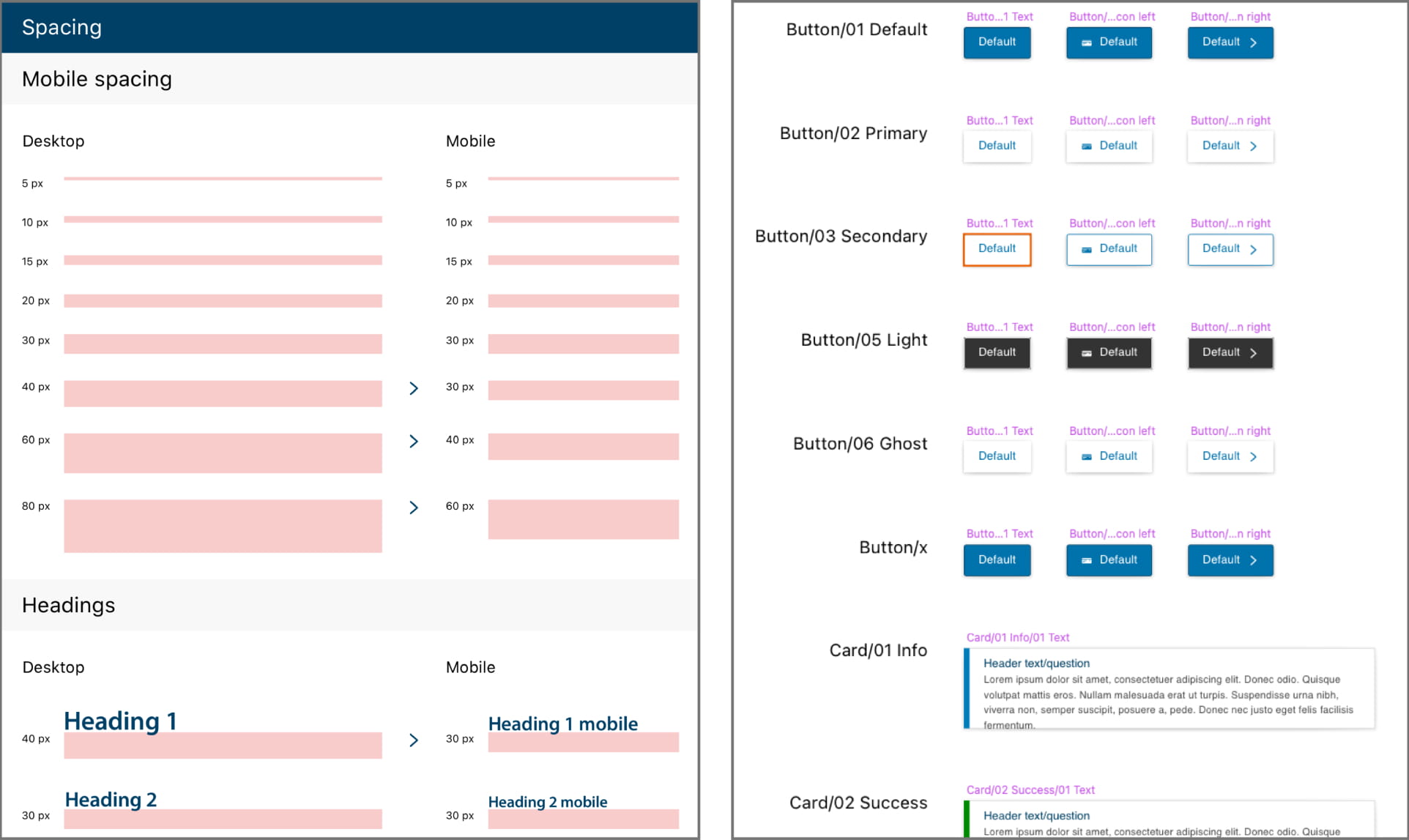
Designing the library of reusable styles, components and UI patterns was quite complex, due to different factors at play. Our challenge was to overlay ANZ’s presently evolving (and partially undefined) design system on to Vero’s rigid (and sometimes seemingly incompatible) component library.
This involved close collaboration and facilitation between the myself, our front-end engineers and the ANZ design team. The result was an on-brand, accessible and well-crafted suite of React components.
Several project setbacks and mounting pressure had resulted in tension between my UX team—striving to create a great customer experience—and engineering, who were struggling with a high burn rate and shifting requirements.
To get things back on track, I introduced more frequent feasibility discussions with engineering, involved them earlier in design cycles, ‘designed’ the developer handoff to better meet their needs (with a focus on communication rather than documentation), and built a strong UX-engineering relationship that endured for the remainder of the project.
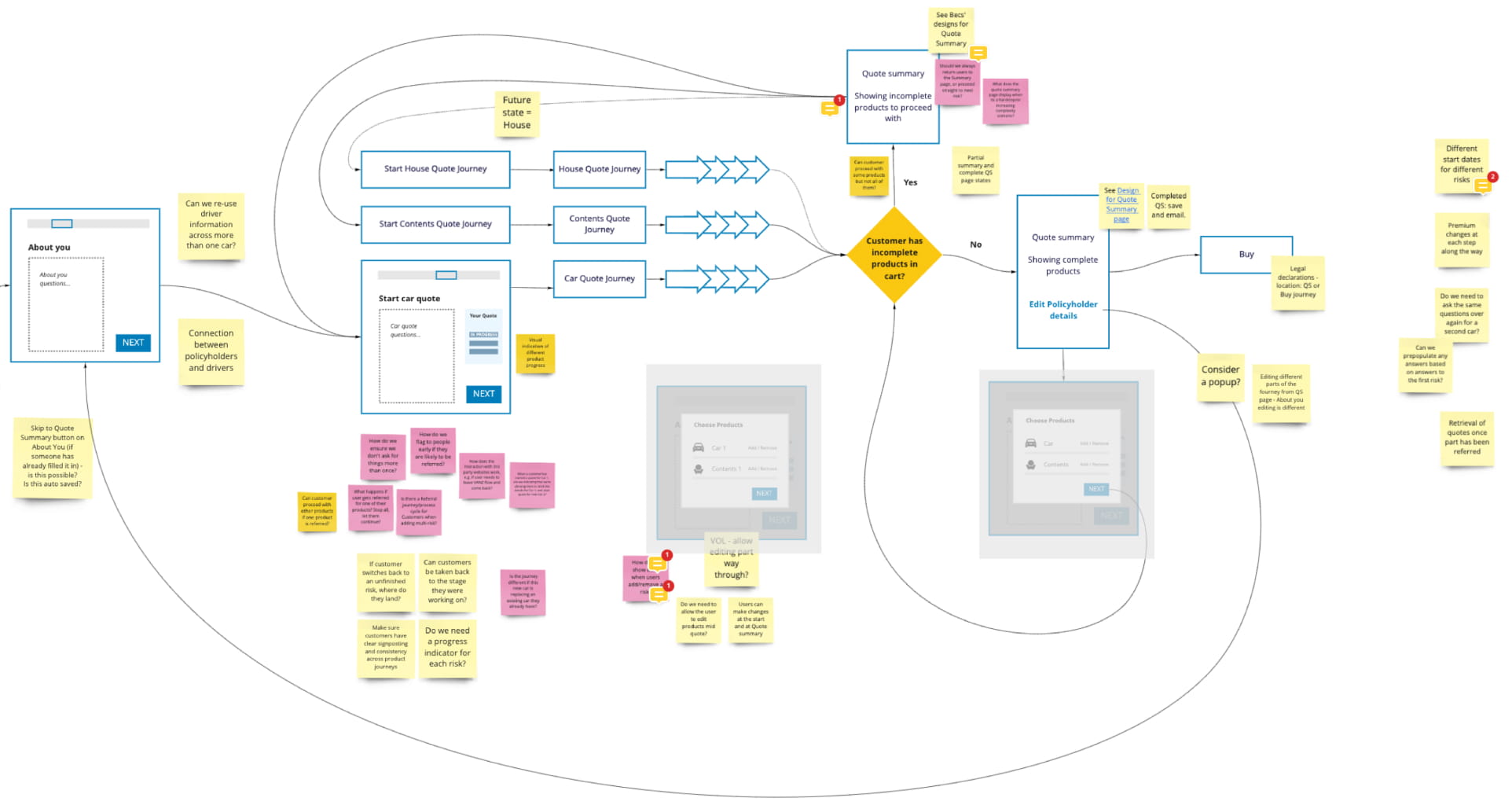
As the project finally neared it’s first release (and the organisation started its transformation to deliver customer value in smaller, faster increments) I presented a plan to senior management at both ANZ and Vero for a ‘first of its kind’ ongoing product optimisation programme.
My leadership on the topic led to a $300k commitment to pilot a new, data-driven programme—marking the beginning of a material switch from a ‘set and forget’ approach to one that will enable continuous, insight-led product optimisation.
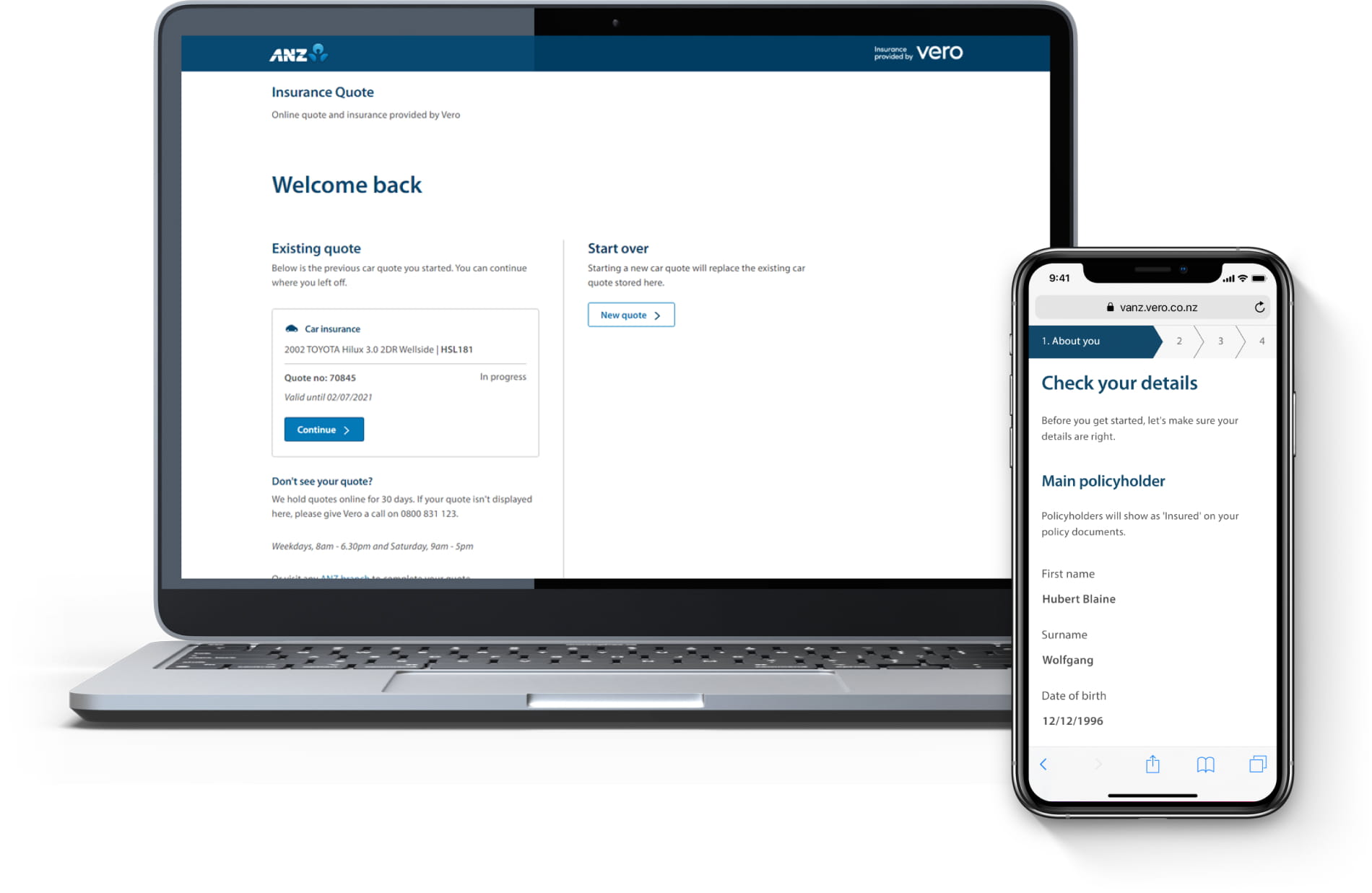
This was a large, multi-year project navigating a turbulent ocean of technical and regulatory constraints, strategic import, and partner expectation. With so much going on, I found it was common for people to lose sight of the overall customer value we were trying to create.
I’ve found it’s incredibly useful to have well defined business objectives, target users, scenarios and design principles to anchor to. Moving forward, I will be continually resurfacing these design foundations in conversation to keep myself and those I work with focused on delivering real user value.